Route, not grid
Scenes are linked in the order a visitor would walk them, so the tour has a beginning and an end.
Level camera
Tripod levelled at each position; a horizon that tilts between scenes is the fastest way to make a tour feel cheap.
One light
All scenes captured in the same lighting state, so moving between rooms does not change the time of day.
No floor plan
The tour is the plan. A separate diagram would have been a second thing to keep in sync.
Problem
Event venues are chosen in person, usually twice, and always by someone who has to sell the choice to a committee. A photo gallery answers “is it nice”. It does not answer “can 200 people stand here”.
A 360 tour can answer that, but only if it behaves like a visit. Most venue tours are a strip of unlinked panoramas with a floor plan bolted on, which is a gallery with extra steps.
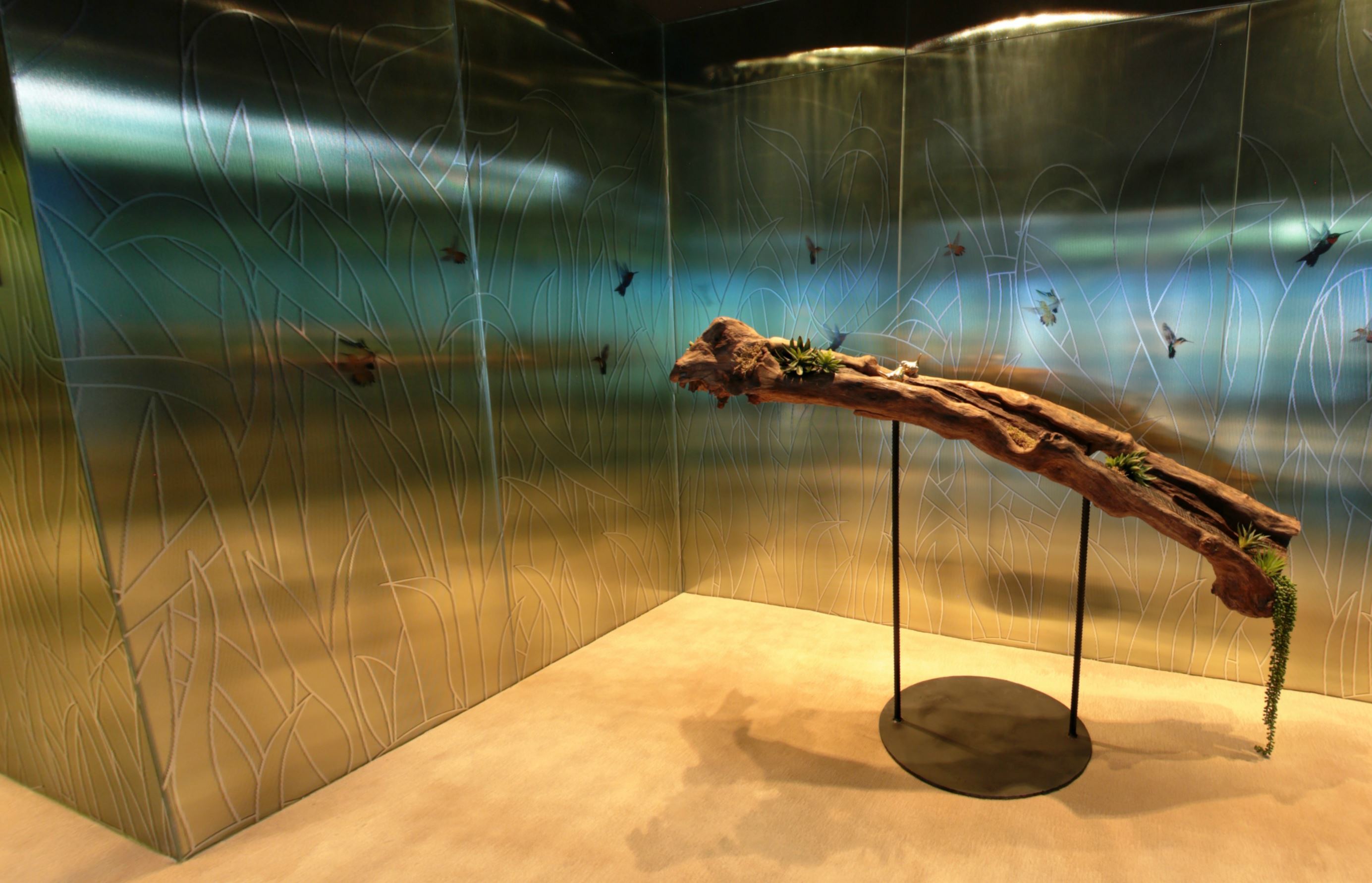
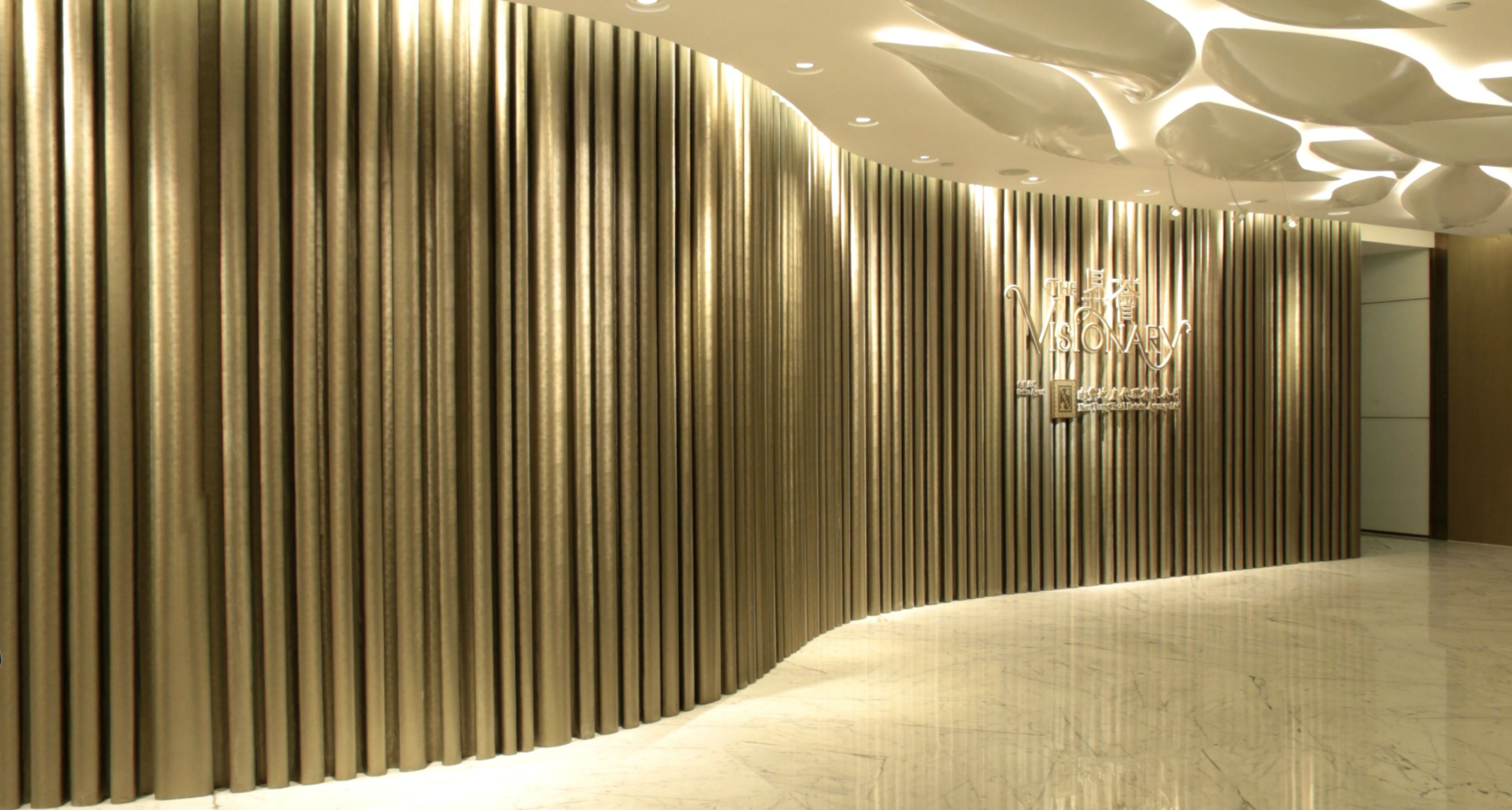
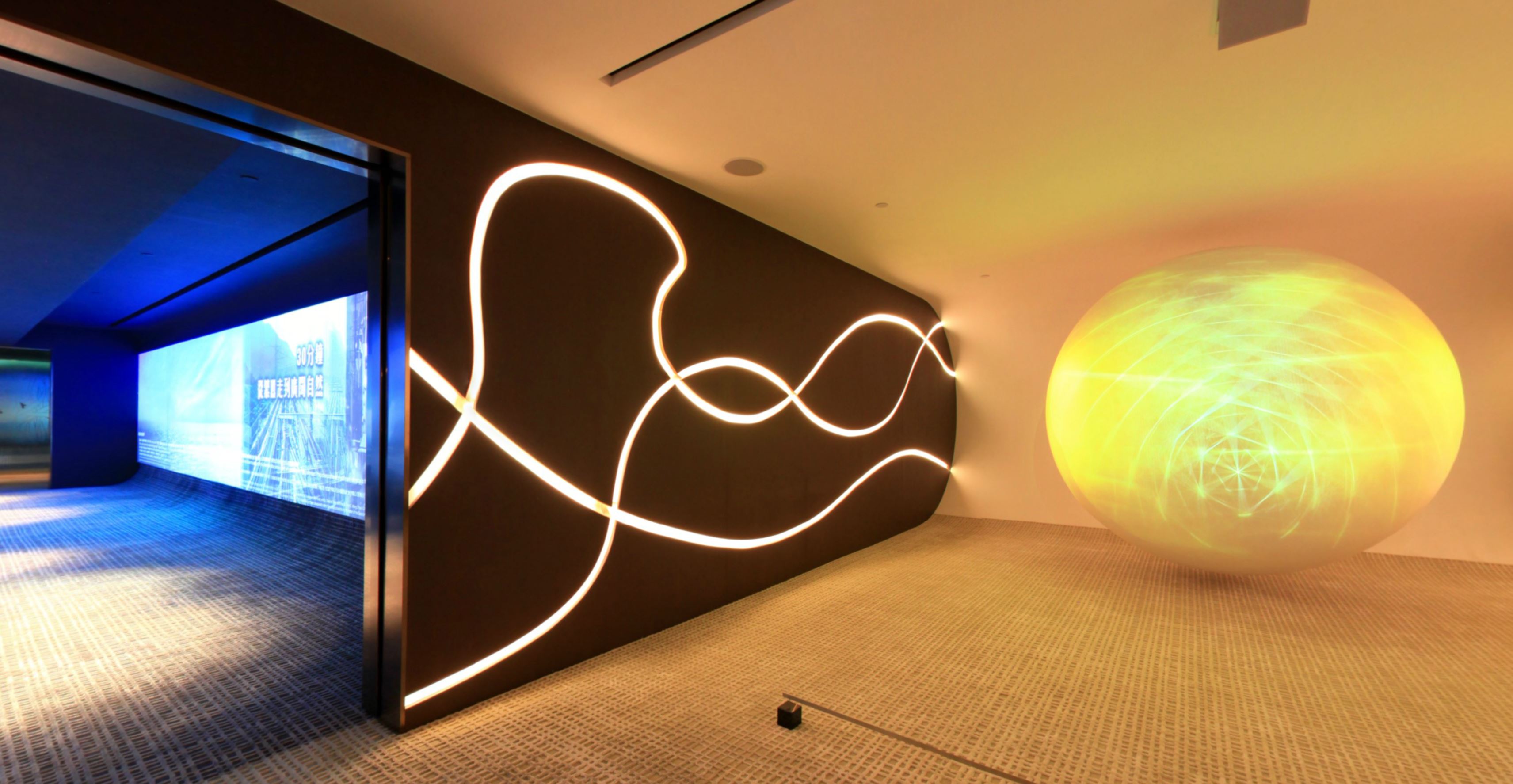
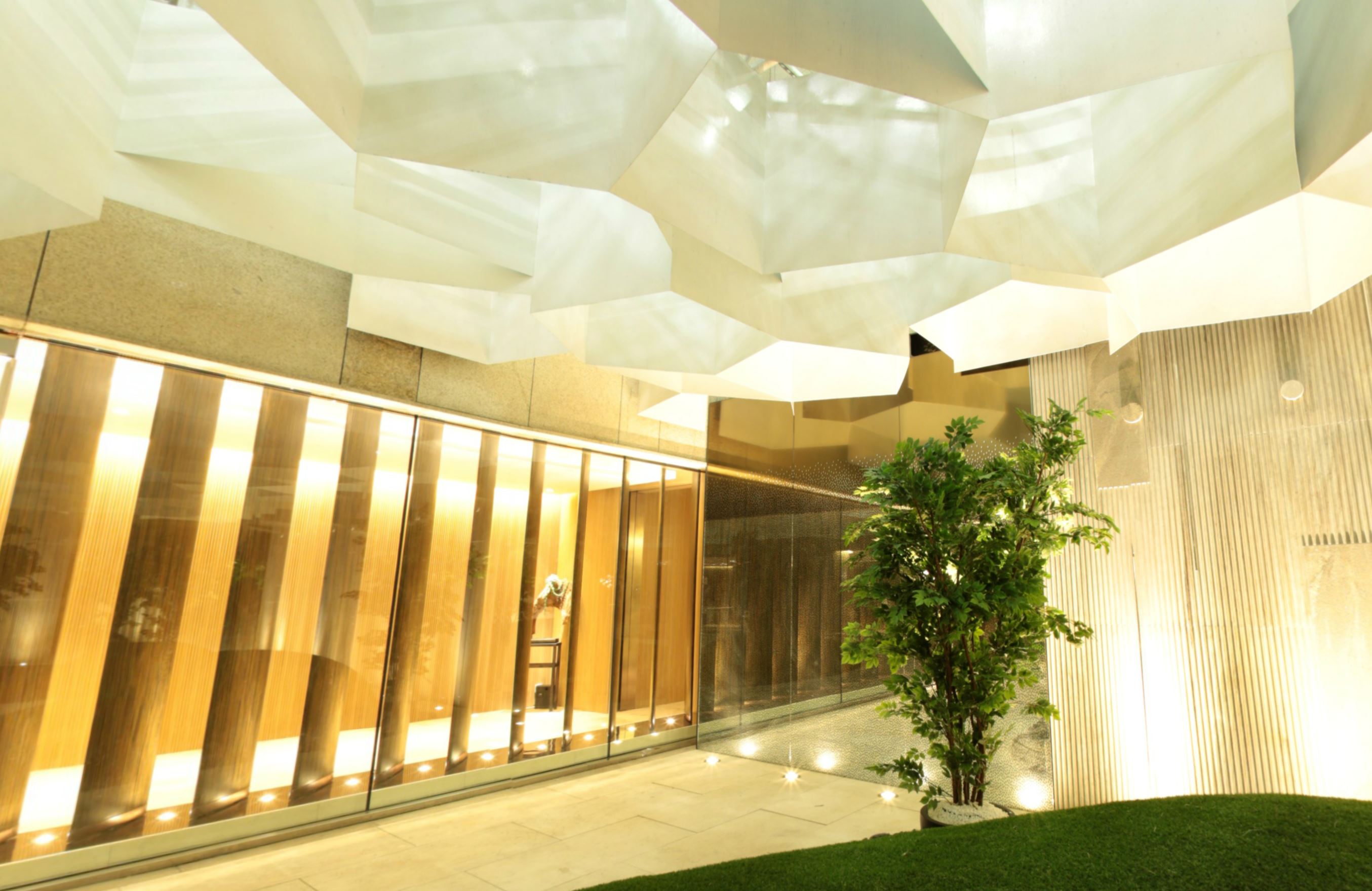
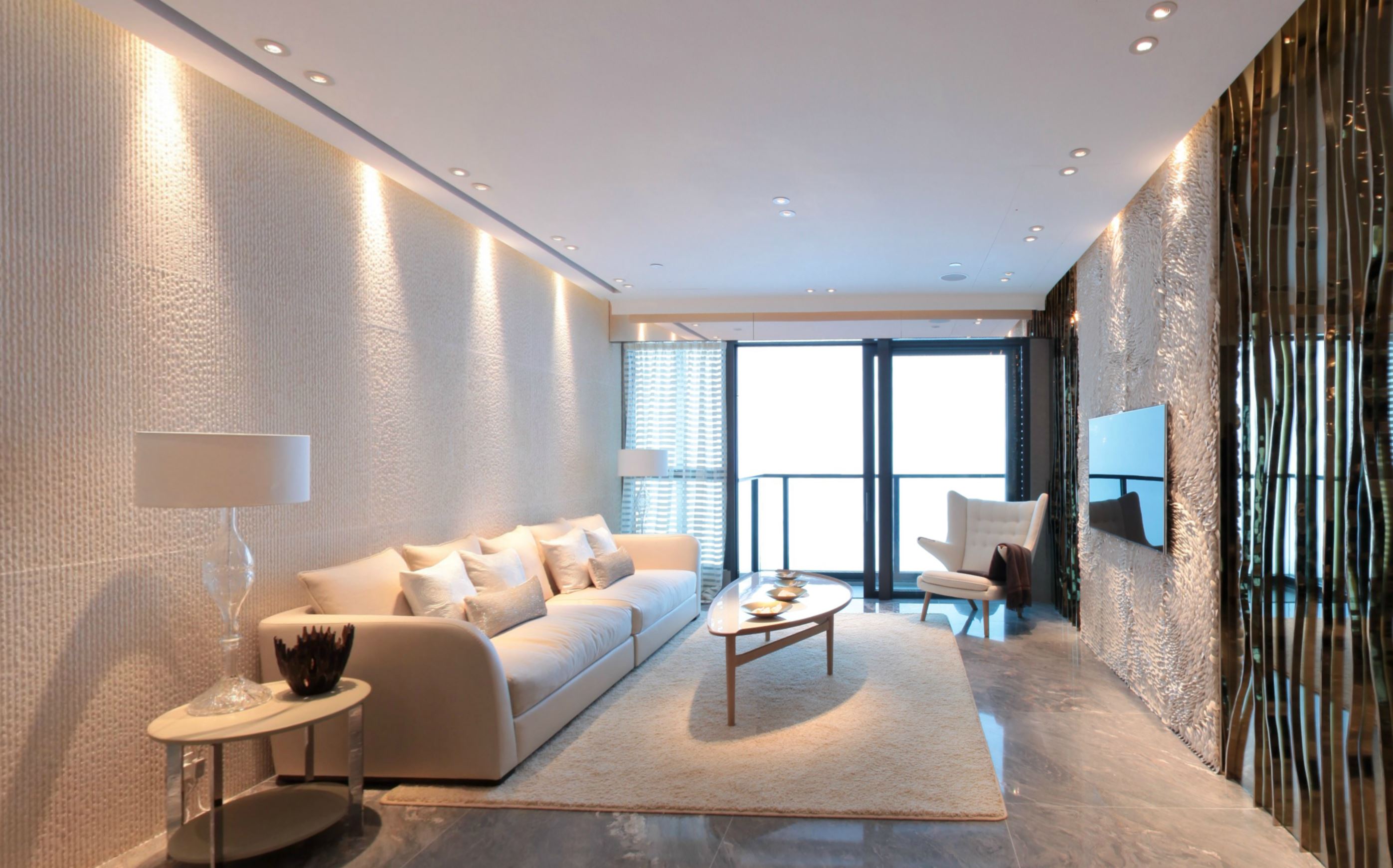
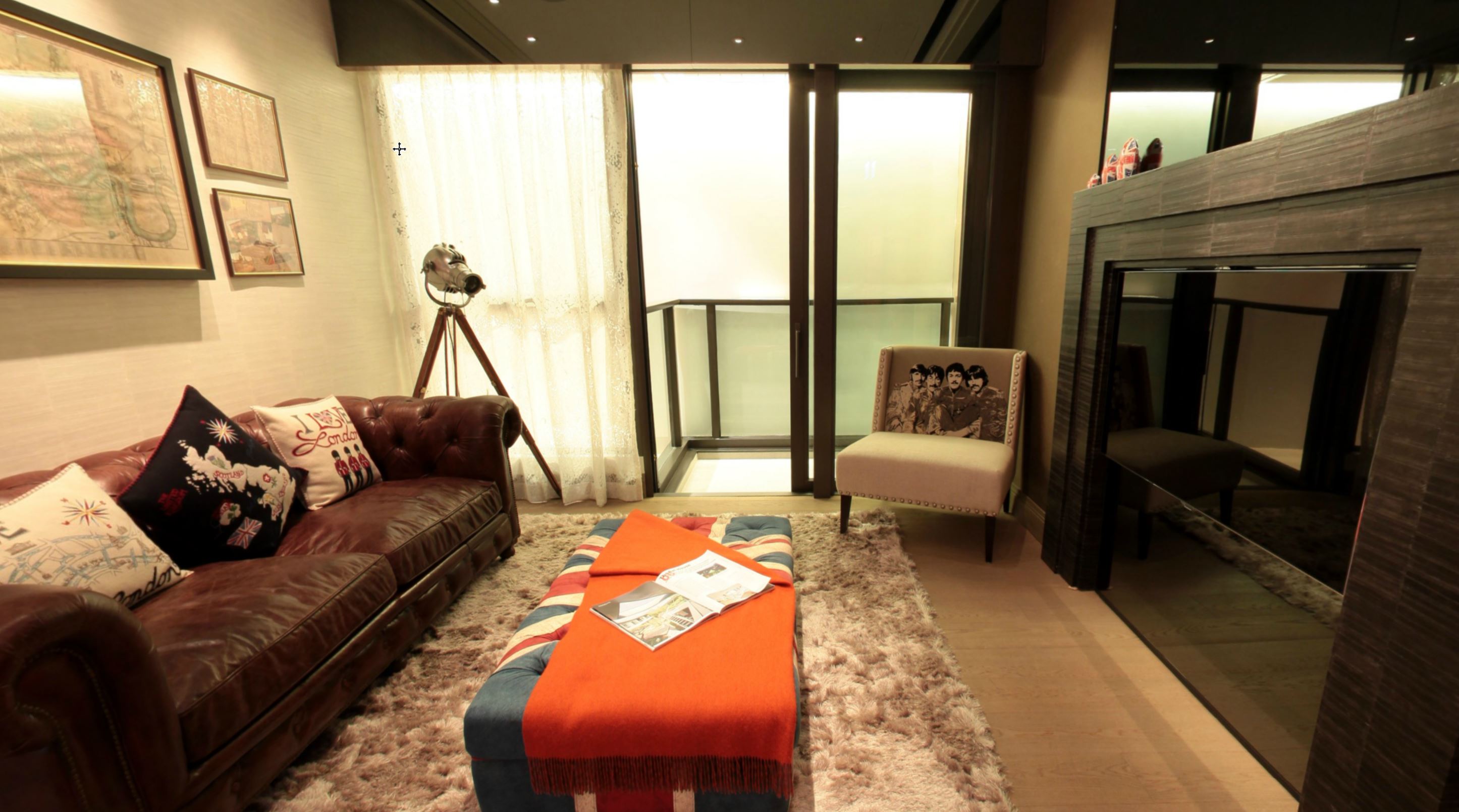
Figure 1 — Six positions, one direction, a loop that closes
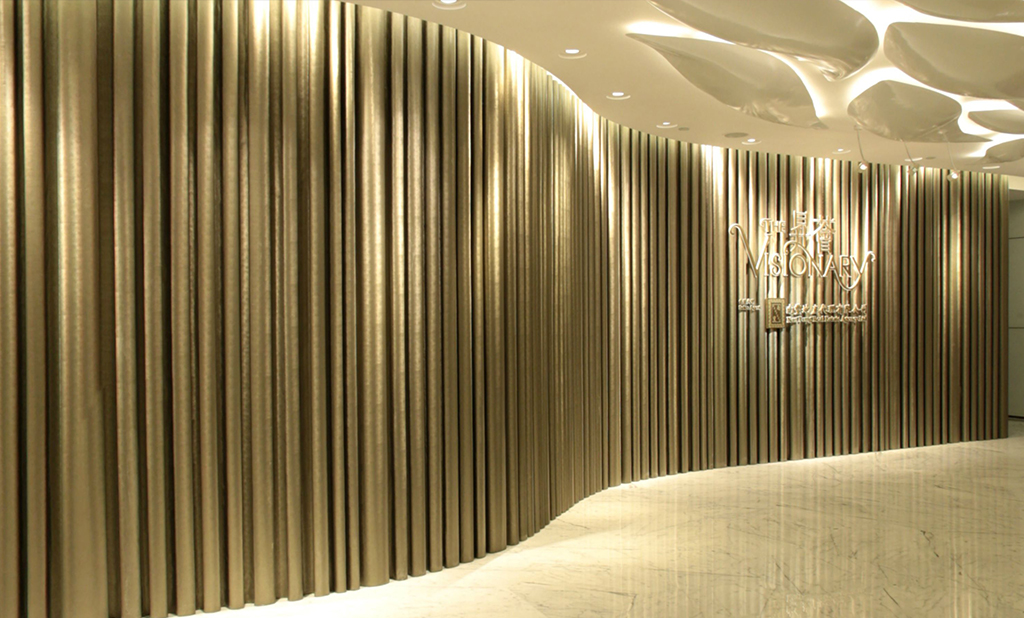
Two positions on the route, as captured.
Approach
We shot the venue as a sequence of positions rather than as a set of rooms: each panorama has a fixed camera height, a levelled horizon and a defined neighbour, and the hotspots lead you to the next position in walking order. The viewer therefore always knows which way is forward.
All positions were captured in one lighting state. It sounds pedantic until you compare two stitched rooms shot an hour apart — the tour reads as two different buildings.
The viewer was kept deliberately plain: no music, no intro animation, no logo splash. The venue is the content, and every second before the first room is visible is a second the visitor spends deciding to leave.
The capture notes
Tripod height was fixed at 1.5m at every position, and checked with a spirit level before each stitch. A tour where the horizon drifts between rooms reads as a cheap tour no matter how good the panoramas are.
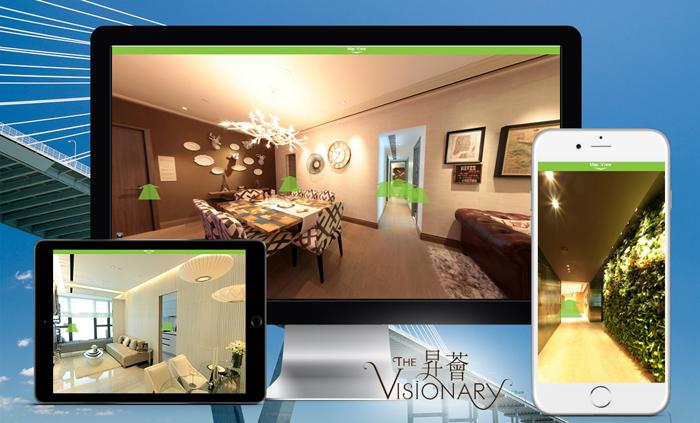
Hotspots were placed on the floor, not floating in the air. A marker hovering at eye level pulls attention away from the room, which is the opposite of what the venue is selling.
What we delivered
Capture
Levelled positions
Fixed height and horizon at every point on the route.
Stitching
One lighting state
All rooms captured in the same session so colour matches across scenes.
Route
Hotspots in walking order
The tour has a beginning, a direction and an end.
Viewer
No theatre
No splash, no music; the room loads first.
Method
1.5m at every position
Tripod height fixed and levelled before each stitch, so the horizon does not drift between rooms.
Hotspots
On the floor
Markers sit where a person walks, not floating at eye level where they pull attention off the room.
What it changed
The venue can now send one link that answers the committee question — will it hold us — instead of a PDF of photographs and a request to visit.
The tour is now the first thing a venue enquirer is sent, ahead of the photo pack. It answers the capacity question in one click, and that question used to require a site visit.
Artefacts reproduced here are the delivered work. No client data, orders or personal information are shown.
Original artefacts
Every image from the original gallery page, unchanged and in its published order.